
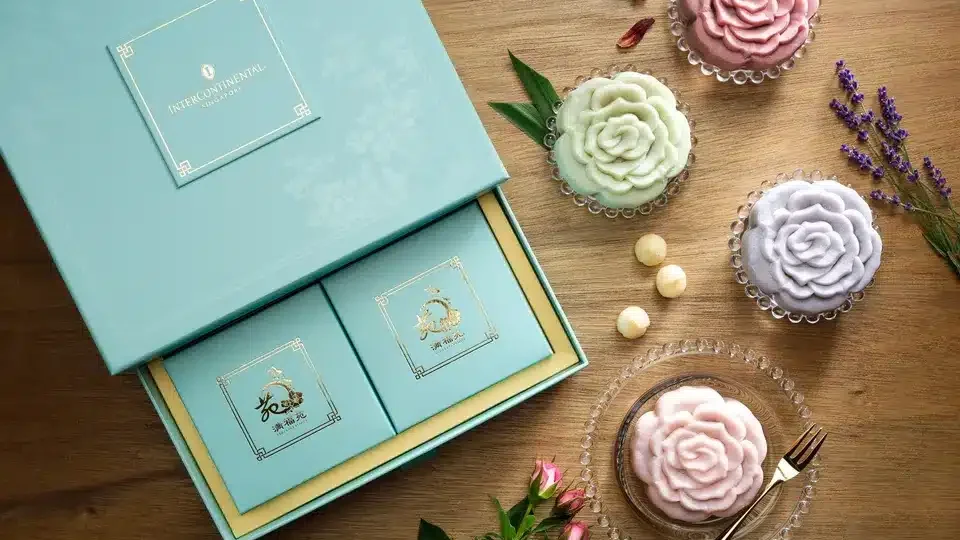
Customised Food Packaging: Elevating Your Brand Identity in Today’s Market

Every food item needs packaging, but not all packaging makes a lasting impact. In today’s crowded market, restaurants and food brands face intense competition to catch customers’ attention.
Customised food packaging boosts brand recognition by creating a unique visual identity through consistent design elements, colours, and logos that customers remember and connect with.
Smart packaging design goes beyond protecting food products. When customers see well-designed takeaway containers or delivery bags, they form quick judgements about quality and value.
Distinctive packaging transforms each meal into a marketing opportunity, helping brands stand out and stay memorable.
Strong brand identity through packaging builds trust and encourages repeat business. When customers instantly recognise your packaging, they’re more likely to choose your brand over competitors.
Key Takeaways
- Custom packaging creates instant visual recognition that sets brands apart from competitors
- Thoughtful packaging design shapes customer perceptions of food quality and value
- Consistent branding elements on packaging strengthen customer loyalty and trust
The Power of Packaging in Brand Perception
Packaging design shapes consumer perceptions through visual and tactile elements that create immediate emotional connections. Product packaging serves as a silent ambassador that communicates brand values and quality standards.
First Impressions Matter
A product’s packaging creates the vital first touchpoint between a brand and potential customers. Studies show that consumers make purchase decisions within 7 seconds of seeing a product on the shelf.
Effective packaging design must instantly convey key brand messages and quality standards. The visual appeal of packaging directly influences perceived value and purchasing behaviour.
Well-designed packaging helps products stand out in crowded retail environments. Quality materials and finishes signal premium positioning and build trust.
The Psychology of Packaging: Colours, Design, and Materials That Shape Perception
Colours evoke specific emotional responses. Blue suggests trust and reliability, while green connects to health and sustainability. Premium brands often use black, gold, or minimalist designs to signal luxury.
Typography and imagery choices must align with brand personality:
- Bold fonts: Strength and confidence
- Script fonts: Elegance and sophistication
- Sans-serif fonts: Modern and clean
Material selection impacts perceived quality:
- Glass suggests premium quality
- Recycled materials show environmental consciousness
- Soft-touch finishes create tactile engagement
Case Studies: Brands That Successfully Leverage Customised Packaging for Recognition
Apple’s minimalist white packaging reflects their clean design philosophy and creates anticipation through the unboxing experience.
Tiffany & Co’s iconic blue box has become as valuable as the jewellery inside. The distinctive colour is legally protected and instantly recognisable.
Hotel Chocolat’s premium packaging transforms ordinary chocolate into luxury gifts through sophisticated materials and precise attention to detail.
The Body Shop pioneered eco-friendly packaging, strengthening their ethical brand identity and inspiring customer loyalty.
How Customised Food Packaging Establishes a Unique Brand Identity
Custom food packaging creates a distinct visual presence that helps brands forge meaningful connections with consumers. Smart packaging design combines visual elements, materials, and brand messaging to create memorable customer experiences.
Differentiation in a Competitive Market
Strong packaging design helps food products stand out on crowded retail shelves. Innovative packaging solutions can capture attention through unique shapes, sizes, and structural elements.
Key Design Elements:
- Strategic logo placement for instant recognition
- Distinctive colour schemes that reflect brand personality
- Unique packaging shapes that stand apart
- High-quality materials that convey premium value
Consumer research shows that 70% of purchasing decisions happen at the shelf. A distinctive package shape or clever opening mechanism can create that crucial point of difference.
Brand Storytelling Through Packaging
Effective packaging design communicates brand values and heritage through visual storytelling. Typography, imagery, and copy work together to share the brand’s message.
Storytelling Components:
- Origin stories and brand heritage
- Product ingredients and sourcing
- Company values and mission
- Cultural connections
Clear messaging helps build trust. Simple icons and infographics can quickly convey key product benefits or sustainability commitments.
Personalised Touch: How Adding Custom Elements Enhances Customer Connection
Thoughtful packaging details create memorable unboxing experiences. Small personalised elements make consumers feel special and valued.
Impactful Custom Elements:
- Handwritten-style typography
- Special occasion variants
- Region-specific designs
- Thank you messages
- QR codes linking to custom content
These personal touches encourage social sharing. Studies show that 40% of consumers share photos of interesting packaging on social media.
Each interaction with the packaging reinforces brand recognition. Special finishes like soft-touch coatings or embossing add tactile appeal that heightens engagement.
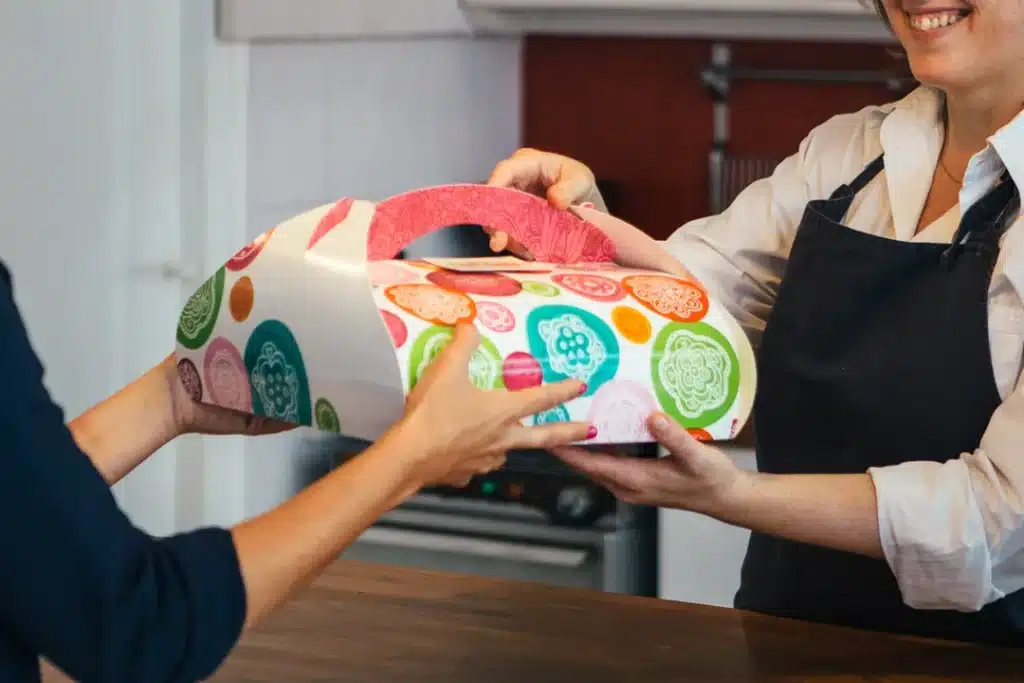
Customised Food Packaging & Customer Loyalty
Custom food packaging boosts customer loyalty by creating memorable unboxing experiences and strengthening brand recognition. When packaging delights customers, they’re more likely to make repeat purchases and share their experiences.
Emotional Branding: How Appealing Packaging Fosters Long-Term Relationships
Attractive packaging creates an emotional bond between consumers and brands. Personalised packaging experiences drive higher engagement rates and strengthen brand loyalty.
Well-designed packaging speaks to customers’ values and lifestyle choices. When packaging aligns with consumer preferences, it builds trust and credibility.
Elements like eco-friendly materials and clever designs show customers the brand understands their needs. This attention to detail creates positive emotional connections that last.
Encouraging Repeat Purchases
Effective packaging design influences purchasing decisions and drives customer retention. Brands that invest in quality packaging see higher repeat purchase rates.
Key factors that drive repurchasing:
- Easy-to-open containers
- Resealable packaging
- Clear product information
- Premium materials
- Consistent branding
When customers have positive experiences with packaging, they’re more likely to choose the same brand again.
Social Sharing & Word-of-Mouth Marketing
Distinctive packaging encourages social media sharing. Customers often post photos of unique or attractive packaging, creating free brand exposure.
Popular sharing occasions:
- First-time purchases
- Limited edition packaging
- Sustainable packaging initiatives
- Gift-giving moments
- Special occasions
Brand advocates naturally emerge when packaging exceeds expectations. These loyal customers share their experiences with friends and family, generating authentic word-of-mouth marketing.
Shareable packaging designs help brands expand their reach organically through customer networks. This creates a ripple effect of brand awareness and trust-building.
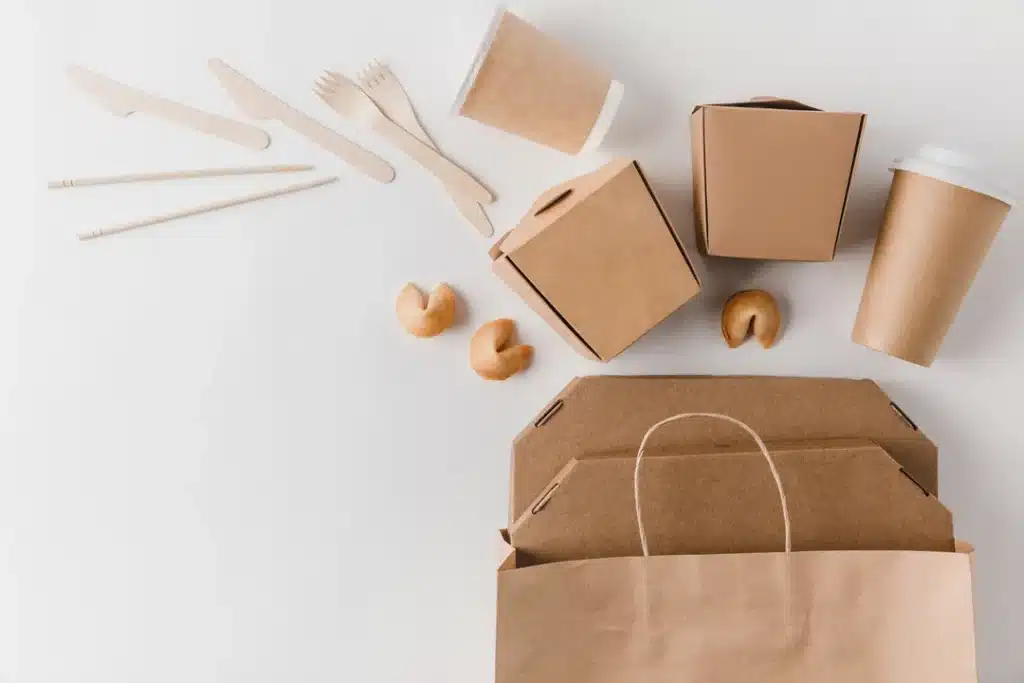
Functional Benefits of Customised Food Packaging
Custom food packaging serves multiple essential roles beyond simple product containment. Food safety and shelf life work together with practical design features to create packaging that protects products while meeting consumer needs.
Food Safety & Freshness
Proper packaging design plays a crucial role in maintaining food quality and safety standards. Specialised materials and barrier technologies prevent contamination and extend shelf life.
Temperature-resistant materials protect products during transport and storage. Modern packaging solutions incorporate features like:
- Modified atmosphere packaging
- Moisture barriers
- UV protection
- Tamper-evident seals
These protective elements ensure products reach consumers in optimal condition while meeting strict regulatory requirements.
Convenience & Usability
User-friendly packaging enhances the consumer experience through thoughtful design features. Resealable pouches keep contents fresh after opening and allow for portion control.
Easy-open mechanisms and clear usage instructions improve accessibility for all age groups. Smart design elements include:
- Ergonomic grips
- Pour spouts
- Microwaveable materials
- Clear product visibility windows
Sustainability & Eco-Friendliness: The Impact of Green Packaging on Brand Perception
Eco-friendly packaging solutions have become essential for modern brands. Consumers increasingly choose products with sustainable packaging options.
Recyclable and biodegradable materials reduce environmental impact while maintaining product integrity. Popular sustainable options include:
- Plant-based plastics
- Recycled cardboard
- Compostable films
- Minimal packaging designs
Companies that embrace environmental responsibility often see increased brand loyalty. Green packaging solutions help reduce waste and carbon footprint without compromising functionality.
Smart material choices and efficient designs can lower shipping weights and storage space requirements. This reduces transport emissions and warehouse energy usage.
Customised Packaging as a Strategic Marketing Tool
Custom packaging solutions transform ordinary product containers into powerful marketing assets that boost brand recognition and customer engagement. Strategic packaging design creates memorable experiences that turn customers into brand advocates.
Limited Edition & Seasonal Packaging
Limited edition packaging creates excitement and urgency around products. Brands can release special designs for holidays, cultural events, or milestone celebrations.
These unique packages often become collectible items, encouraging repeat purchases and social media sharing. For example, beverage companies might create winter-themed bottles with snowflake patterns or summer designs featuring beach motifs.
Seasonal packaging helps products stand out on shelves during key shopping periods. It signals freshness and relevance to consumers while maintaining the core brand identity.
QR Codes & Smart Packaging: Leveraging Digital Integration for Engagement
Smart packaging technologies create interactive experiences through digital elements. QR codes on packages can lead to:
- Product origin stories
- Recipe suggestions
- Loyalty programme sign-ups
- Augmented reality experiences
- Authentication verification
Smart labels can display temperature changes, freshness indicators, and other real-time product information. This technology builds trust and provides value beyond the physical product.
Branding Consistency Across Product Lines
Strong brand identity requires consistent visual elements across all packaging. Key components include:
- Colour schemes
- Logo placement
- Typography
- Graphic elements
- Material quality
Different products need unique packaging solutions while maintaining recognisable brand elements. A moisturiser bottle and a face mask packet might have different shapes but share design elements that make them instantly recognisable as part of the same brand family.
Consistent packaging helps customers quickly identify products on crowded shelves. It builds trust through familiarity and reinforces brand values through every purchase.
Frequently Asked Questions
How crucial is the design of packaging in enhancing brand visibility?
Strong packaging design acts as a silent brand ambassador on retail shelves, instantly communicating brand values and personality to potential customers.
Custom colours, logos, and typography create immediate visual recognition, helping products stand out amongst competitors.
In what ways does personalised packaging influence consumer perception?
Brand identity elements in packaging shape how customers view product quality and value.
Distinctive packaging creates emotional connections and memorable unboxing experiences that strengthen brand relationships.
Why should businesses invest in high-quality packaging for their brand image?
Premium packaging materials and finishes signal product quality and brand positioning to consumers.
Professional packaging design represents the first physical interaction between customers and brands, making a lasting impression.
What impact does packaging have on the marketing and positioning of a product?
Strategic packaging design helps differentiate products within crowded market segments through unique visual elements.
Well-designed packaging communicates key product benefits and brand messages directly at the point of purchase.
How does packaging quality affect customer loyalty and repeat purchases?
Durable, functional packaging that protects products and provides a consistent experience builds trust with consumers.
Poor quality packaging can damage products and create negative associations that deter future purchases.
What are the long-term benefits of distinctive packaging for brand equity?
Memorable packaging experiences create strong brand recall. They also encourage word-of-mouth marketing amongst consumers.
Consistent, high-quality packaging helps establish brand authority. It also justifies premium pricing in the marketplace.