WS101SingleTray

Why Festive Packaging Designs Matter More Than You Think: Boosting Sales and Brand Loyalty During Holiday Seasons 

Festive packaging designs capture attention and create excitement during holiday seasons. These special designs go beyond just looking pretty. They can make a big difference in how people feel about a product and brand. 

Festive packaging transforms consumer behaviour by strengthening brand identity and boosting perceived value. 

When shops are full of bright colours and holiday themes, unique packaging helps products stand out. It can make people more likely to buy and even pay more. 

Good festive packaging does more than catches the eye. It can tell a story and build an emotional link between the brand and the customer. This connection can last long after the holidays are over, leading to loyal customers who come back year after year. 

Key Takeaways 

  • Festive packaging boosts product appeal and sales during holidays 
  • Themed designs create emotional connections with customers 
  • Creative seasonal packaging strengthens brand identity and loyalty  

The Importance of Festive Packaging in Enhancing the Unboxing Experience 

Festive packaging plays a crucial role in creating memorable unboxing moments for customers. It boosts brand awareness and influences buying decisions through emotional connections. 

Creating an Emotional Connection Through Unboxing 

Festive packaging transforms the unboxing experience into a joyful occasion. Bright colours, holiday motifs, and special textures evoke the festive spirit. This creates positive feelings and strengthens the bond between customers and brands. 

Some key elements of effective festive packaging include: 

  • Seasonal colours (red, green, gold) 
  • Holiday-themed patterns or illustrations 
  • Special finishes like glitter or embossing 
  • Personalised messages or greetings 

These design choices make products feel like gifts. They build anticipation and excitement as customers unwrap their purchases. 

Impact on Consumer Behaviour and Buying Decisions 

Festive packaging significantly influences consumer behaviour. It can make products more appealing and gift-worthy, leading to increased sales during holiday seasons. 

Key impacts include: 

  • Higher perceived value of products 
  • Increased likelihood of impulse purchases 
  • Greater brand recognition on store shelves 

Brands that invest in festive packaging often see a boost in customer loyalty. The positive unboxing experience creates lasting memories, encouraging repeat purchases and word-of-mouth recommendations. 
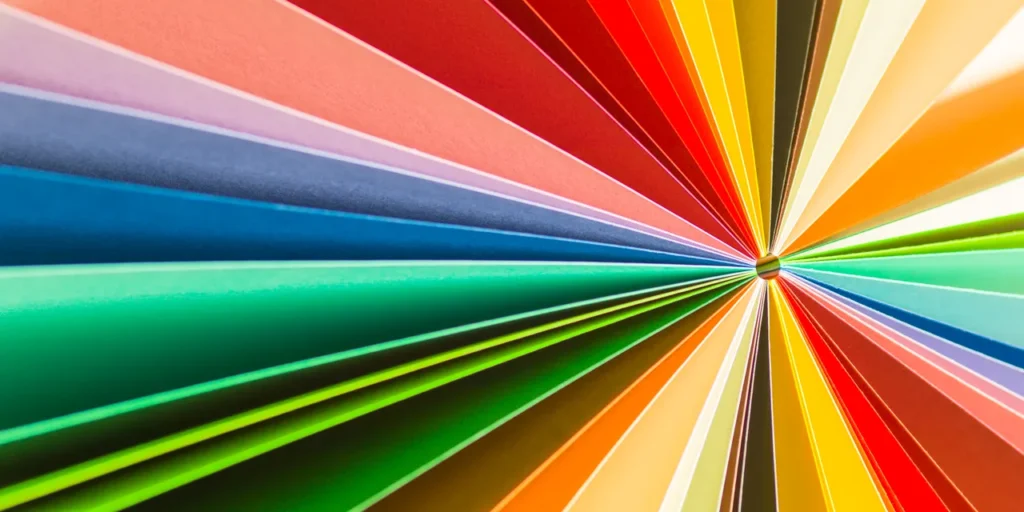
color pallets for packaging

The Role of Festive Colours and Themed Elements in Seasonal Packaging Design 

Festive colours and themed elements play a crucial role in seasonal packaging design. They grab attention, evoke emotions, and create a strong connection with consumers during special times of the year. 

Understanding the Psychology of Festive Colours 

Colours have a powerful impact on human emotions and behaviour. During holidays, certain hues become more prominent and meaningful. Red and green are closely associated with Christmas, evoking feelings of warmth and cheer. 

Red and gold symbolize Chinese New Year, creating a festive and prosperous atmosphere. Red represents good fortune and wards off evil spirits, while gold signifies wealth and success. These vibrant colors are seen in decorations, clothing, and red envelopes, bringing joy and optimism for the new year. 

Orange and black symbolise Halloween, creating an eerie yet exciting atmosphere. Pastel shades often represent spring and Easter, bringing a sense of renewal and freshness. 

Brands can use these colour associations to their advantage in packaging design. By incorporating festive colours, products become more appealing and relevant to the season. This can lead to increased sales and customer engagement. 

Incorporating Thematically Appropriate Visual Elements 

Visual elements go beyond colours to create a festive atmosphere. Snowflakes, stars, and baubles are common Christmas motifs. Pumpkins and ghosts are perfect for Halloween packaging. 

Typography also plays a key role. Cursive fonts can add elegance to holiday designs, while bold, playful lettering works well for more casual celebrations. 

Gift tags and stickers can enhance the festive feel of packaging. These small additions make products more gift-worthy and increase their perceived value. 

Themed packaging creates a sense of urgency. Limited edition designs encourage consumers to make immediate purchases, as they know the special packaging won’t be available for long. 

Striking A Balance: Innovative Packaging And Sustainable Choices 

Festive packaging designs can be both eye-catching and environmentally responsible. Brands are finding creative ways to blend attractive aesthetics with eco-friendly materials and practices. 

Pursuing Sustainability Without Compromising Design 

Innovative packaging design goes beyond mere functionality. It considers the entire consumer journey. 

Minimalist designs using high-quality, recycled materials can create a luxurious feel while reducing waste. Vintage-inspired packaging often incorporates reusable elements, giving products a second life as decorative items. 

Some brands use augmented reality (AR) technology to enhance packaging interactivity. This allows for simpler physical designs with digital embellishments, reducing material use. 

Materials And Practices That Convey Environmental Responsibility 

Eco-friendly packaging choices are increasingly popular. Brands use materials like bamboo, cornstarch, and recycled paper to create festive yet sustainable designs

These options often biodegrade easily or can be repurposed. Some companies opt for minimalist packaging that uses less material overall. Others focus on creating multi-use designs that serve as gift wrap and storage. 

Clarity in sustainability claims is crucial. Brands should clearly communicate their eco-friendly practices to build trust with consumers. 
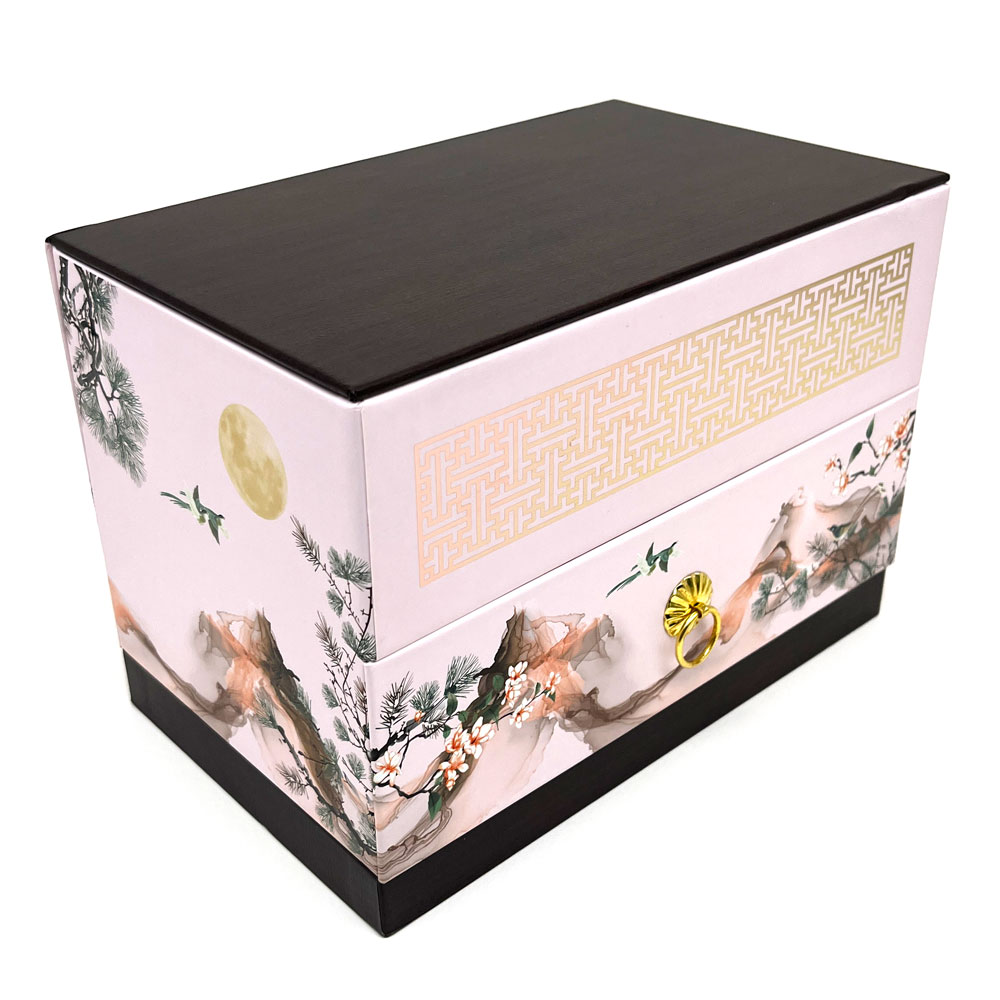
Beautiful light pink design

Boosting Brand Identity and Loyalty with Unique Festive Packaging 

Festive packaging offers a powerful way to enhance brand identity and foster customer loyalty. Clever designs and special touches can make products stand out and create lasting connections with buyers. 

Leveraging Packaging for Enhanced Brand Recognition 

Unique packaging catches the eye, helping products shine on shelves and in online listings. Eye-catching festive designs boost brand visibility and recall. 

Bold colours, seasonal motifs, and custom shapes make items instantly recognisable. Embossing or debossing logos adds a tactile element that reinforces brand identity. 

Consistent holiday branding across product lines builds familiarity. This helps customers quickly spot a company’s offerings amidst busy displays. 

Luxurious elements like metallic inks or foil accents can elevate perceived value. This associates the brand with quality and care, even for everyday items. 

Exclusive Features That Foster Brand Devotion 

Limited edition packaging creates excitement and urgency. Collectors may seek out special designs, driving sales and engagement. 

Personalised touches like customer names or custom messages forge emotional connections. This personal approach shows the brand values individual buyers. 

Eco-friendly materials appeal to conscious consumers. Reusable packaging extends brand presence in homes long after purchase. 

Interactive elements like QR codes linking to festive content keep customers engaged. Surprise gifts or samples tucked inside packaging spark joy and loyalty. 

Thoughtful unboxing experiences with tissue paper or sealed compartments build anticipation. These memorable moments strengthen positive brand associations. 
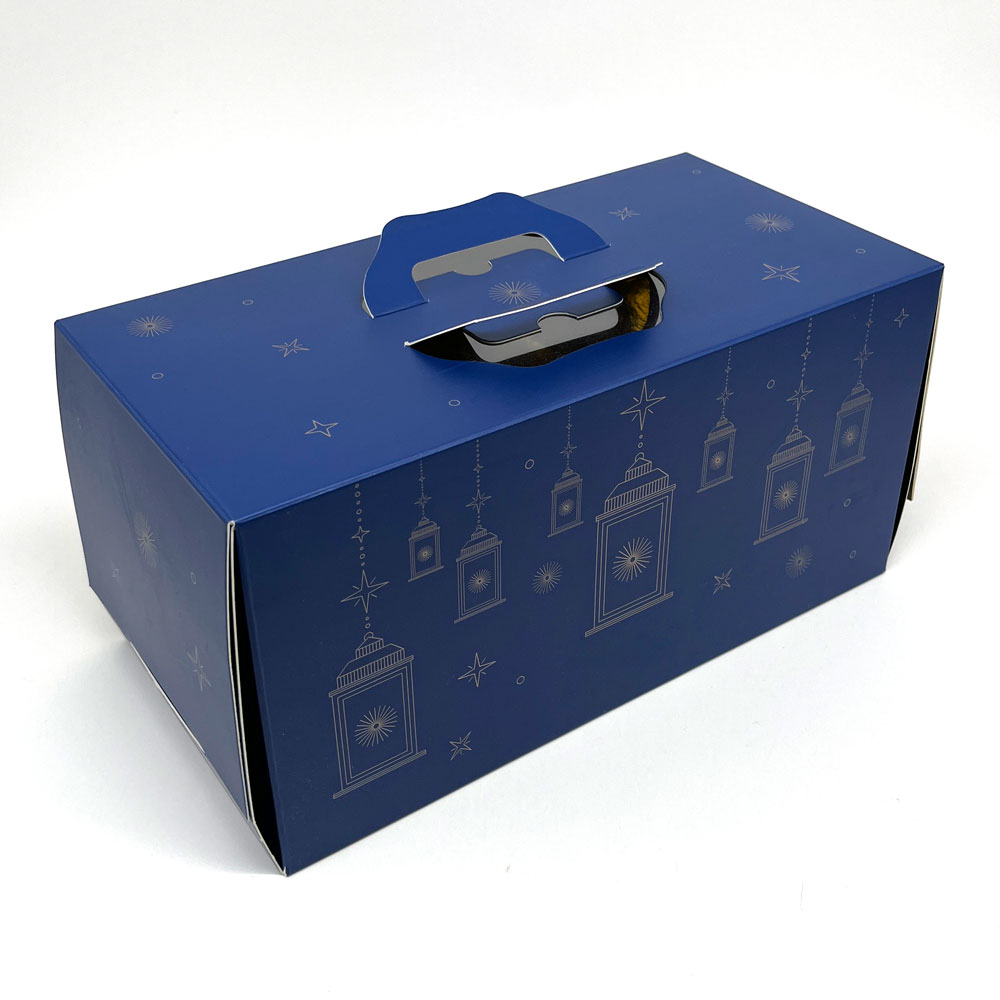
pan pacific chrsitmas deisgn

Maximising Holiday Sales Through Creative and Personalised Packaging 

Festive packaging designs can boost holiday sales and delight customers. Clever use of seasonal themes and personal touches can make products stand out on crowded shelves. 

Leveraging Festive Packaging as a Marketing Tool 

Holiday packaging is a powerful way to grab attention and drive sales. Brands can use seasonal colours, patterns, and imagery to create a festive mood. This makes products more gift-worthy and appealing. 

Some effective tactics include: 

• Using red, green, gold, and silver colour schemes  

• Adding snowflakes, stars, or holly designs  

• Incorporating holiday-themed illustrations 

Seasonal custom packaging can increase product visibility and sales. It taps into the holiday spirit that motivates purchases. Brands might offer limited edition designs to create excitement and urgency. 

Ingenious Design Ideas for Seasonal Packaging 

Creative holiday packaging can help products shine. Clever designs make items feel special and increase their perceived value. This can justify premium pricing during the festive season. 

Some innovative ideas to try: 

• Gift-ready boxes with built-in ribbons or bows  

• Window packaging to showcase the product inside  

• Reusable packaging that doubles as gift wrap 

Personalised touches like handwritten notes or custom name labels add warmth. DIY elements such as hand-stamped patterns can give a handmade feel. Interactive packaging, like advent calendar-style designs, can boost engagement. 

Sustainable materials are increasingly important. Eco-friendly options like recyclable papers or plant-based inks appeal to environmentally conscious shoppers. 

Looking for custom festive packaging solutions that captivate customers and enhance your brand identity? At I Dzzign Packaging, we specialize in creative, high-quality, and sustainable packaging designs tailored to your holiday campaigns. Let us bring your festive vision to life contact us today to get started! 

Frequently Asked Questions 

Festive packaging designs play a crucial role in consumer behaviour, sales, and brand recognition during holiday seasons. They offer unique advantages and can significantly impact a product’s perceived value. 

How does seasonal packaging design affect consumer behaviour? 

Seasonal packaging designs tap into consumers’ emotions and holiday spirit. They create a festive atmosphere that encourages purchasing. These designs often use colours and themes associated with specific holidays, triggering positive memories and feelings. 

This emotional connection can lead to impulse purchases and increased brand loyalty. 

What are the advantages of investing in high-quality packaging during the festive season? 

High-quality festive packaging enhances the perceived value of products. It shows customers that a brand values their experience and the holiday season. 

Such packaging can also serve as a gift itself, reducing the need for additional wrapping. This convenience factor can be a significant selling point for busy holiday shoppers. 

Why does holiday-specific packaging tend to boost sales figures? 

Holiday-specific packaging creates a sense of urgency and exclusivity. Consumers are drawn to limited-edition designs, fearing they might miss out. 

These special designs also make products more gift-worthy, encouraging purchases for others as well as for personal use. 

In what ways can unique packaging designs offer a competitive edge in the market? 

Unique packaging designs help products stand out on crowded shelves. They catch the eye and pique curiosity, leading to increased brand recognition. 

Innovative designs can create memorable experiences, fostering positive associations with the brand and encouraging repeat purchases. 

How do consumers perceive the value of a product in relation to its festive packaging presentation? 

Festive packaging often leads consumers to perceive products as more valuable or premium. The extra effort put into design suggests higher quality and attention to detail. 

This perception can justify higher prices and make products more desirable as gifts. 

What role does packaging play in brand recognition and customer loyalty during peak holiday periods? 

Festive packaging reinforces brand identity during busy shopping seasons. It helps brands stay recognisable while embracing holiday themes. 

Consistent, high-quality packaging builds trust and loyalty.  

Customers who have positive experiences with festive packaging are more likely to return to the brand for future purchases. 

premium mooncake box design

What Makes a Premium Mooncake Box? Features, Materials, and Customisation Tips for Distinction 

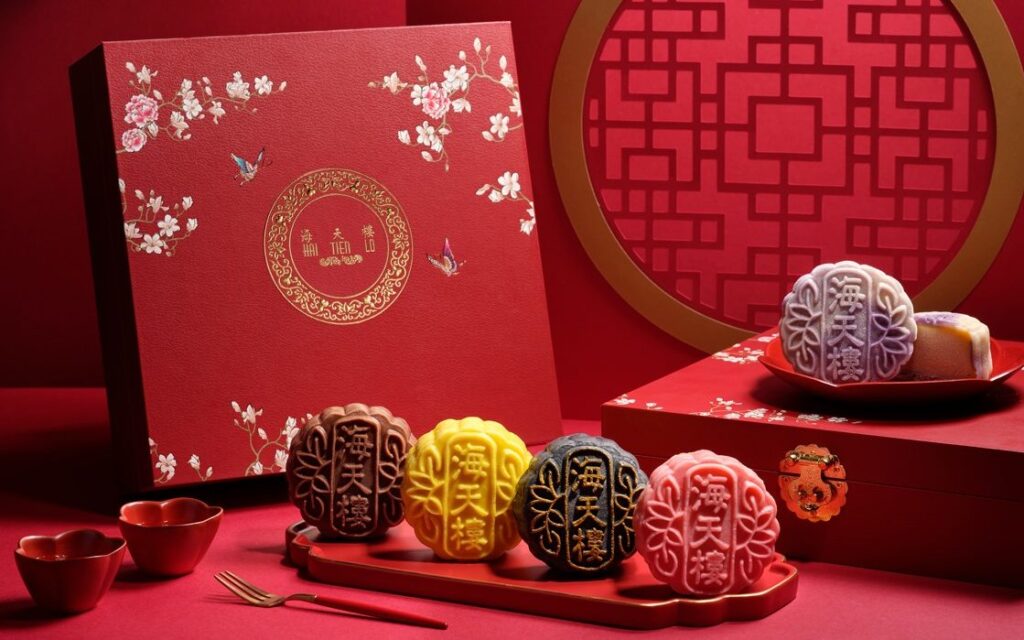
Mooncake box are often given as special gifts. The Packaging box is the first thing people see and touch, making a lasting first impression.  The look and feel of the packaging can make mooncakes seem even more valuable and thoughtful, having an impact not just during gifting seasons, but all year round. 

A premium mooncake box stands out by its unique design and structure, use of materials, accessories, colours, textures, finishing and sustainability, making it feel special, luxurious and memorable. 

The well-designed boxes can be re-used as jewellery boxes, trays, keep sake boxes or collectable items, making them practical and beautiful. 

The flexibility to incorporate Personalized logo on the box, allows businesses to build a lasting impression with their customers. 

Key Takeaways 

  • Premium mooncake boxes use high-quality materials and creative designs 
  • Popular boxes often offer both style and practical reuse 
  • Customisation lets brands leave a lasting impression 

What Defines A Premium Mooncake Box? 

A premium mooncake box is crafted with attention to detail, using fine materials and thoughtful design choices. It protects the mooncakes and elevates the gift experience for the receiver. 

High-Quality Materials 

The best mooncake packaging uses high-quality materials such as Fabric, Synthetic leather, PU Leather, Wood, rigid paper, MDF Board or sturdy cardboard. These materials offer durability and longevity. 

For a luxury touch, some boxes may also include satin or velvet linings on the inside. Boxes designed for gifting assorted nuts, cookies, chocolate or other treats benefit from separate, reinforced compartments. 

Many premium gift boxes avoid flimsy paper or lightweight plastic. Instead, rigid materials offer a sense of weight and value. 

Strong box construction is important for protection and presentation. This is especially true when used as corporate gifts or keepsakes. 

Luxurious Finishing Techniques 

Finishing touches set premium mooncake boxes apart. Techniques like matte lamination, provide the surface a non-glossy look, while soft-touch lamination adds a soft and luxurious few.  

Embossed or debossed details add texture, making brand names, patterns, or motifs stand out. Hot stamping is often used to add metallic gold or silver accents. 

These shiny highlights draw attention to logos or decorative features. Such finishing makes the box feel exclusive and eye-catching. 

Satin fabric, Peranakan prints, custom design with intricate motifs adds a rich cultural layer and visual appeal to the mooncake boxes. They also connect to cultural stories or the mid-autumn atmosphere. 

Each technique creates a sense of uniqueness and luxury in the gift box presentation. 

Innovative Structural Design 

Structural design is crucial for making a mooncake box memorable. Creative designs might include drawers, fluted knobs, brass handles, customize handles or out of the box design.

These designs are distinctive and add functionality by allowing each mooncake or treats to be stored separately. An example is mooncake boxes with four small drawers, each holding an individual cake, as highlighted in top mooncake box designs. 

Some premium mooncake boxes are made to be reusable as jewellery boxes or stylish containers. Clever use of space creates neat arrangements for assorted treats or special mooncake flavours. 

Innovative shapes and compartments boost both practicality and visual impact. This makes the box a true keepsake. 

pink mooncake box design

Premium mooncake boxes often stand out for their careful attention to detail and creative use of classic and seasonal motifs. Leading brands in Singapore are merging history and current trends to offer boxes that look and feel special for any Mid-Autumn Festival. 

Traditional Meets Modern 

Blending traditional Chinese art with modern styles creates a stunning visual contrast. The combination of fine lines, 3D gold embossing, minimalist layouts, bold colours is a great way to achieve a unique and eye-catching design. Perfect blend of heritage and modernity. 

This mix helps the box appeal to both older and younger generations. For premium mooncake boxes in Singapore, brands may use ornate patterns inspired by ancient Chinese porcelain, then add a clean, geometric structure. 

Another approach is to place classic calligraphy on boxes with modern backgrounds. Some use vibrant, gradient hues for a fresh look. 

Elements like brass handles or fluted drawer knobs are sometimes used for an elegant finish. This matches the balance between heritage and trend seen in popular Mid-Autumn Festival box designs. 

Nature-Inspired And Festive Elements 

Nature plays a large role in creating a festive feel. Designers often decorate boxes with motifs such as flowers, birds and butterflies, moon phases, and landscapes that symbolise the Mid-Autumn Festival. 

Peonies, lotuses, and bamboo are popular choices. They add a sense of luxury and freshness to the packaging. 

Materials and finishes also reflect a focus on nature. Textured paper, wooden inlays, or eco-friendly card are used to give a tactile, premium feel. 

Some premium mooncake boxes feature seasonal symbols or abstract representations of the harvest moon. This approach helps connect the product with the festival’s themes and adds meaning to both gift-giving and celebration, as described in many nature-themed mooncake packaging examples. 

Customisation Tips For Businesses 

Premium mooncake box design depends on making your brand memorable and making the box practical for use. Meeting today’s standards for sustainability is also important. 

Businesses can use customisation to impress customers and create a strong emotional connection

Brand Integration 

Strong brand identity helps a custom gift box stand out. Businesses should consider adding their logo with techniques like hot stamping for a polished, professional finish. 

This can make the mooncake box ideal for both corporate and personal gifting occasions. Colour choice matters in establishing brand presence and appealing to customer tastes. 

For example, gold, red, and jade green often symbolise luck and prosperity. Matching the colour palette to branding or festive themes creates cohesion and captures attention. 

A personalised message card enhances the gifting experience. Adding the company name and a heartfelt note can increase the box’s sentimental value. Including small brand details, like embossed patterns or custom ribbons, can set the box apart from generic packaging. 

Functional Considerations 

The practical side of a mooncake box affects both presentation and customer satisfaction. Choosing materials that preserve freshness, such as food-safe linings or sealed trays, is key for quality control. 

Businesses should think about dividing the box into neat compartments. Each mooncake stays protected and looks appealing on display. 

Features like magnetic closures or ribbon pulls make opening the box smooth and add a sense of occasion. Including complimentary gifts like small tea tins, bookmarks, or chopsticks can provide an extra layer of delight. 

These thoughtful touches turn a simple box into a memorable keepsake that customers may reuse or display. 

Feature Purpose Benefit 
Compartments Organise mooncakes securely Prevents movement and damage 
Magnetic/ribbon closure Easier opening, premium feel Improves unboxing experience 
Complimentary gifts Adds value to the package Encourages repeat purchases 

Sustainable Packaging 

Sustainability is now a top concern for many customers. Eco-friendly packaging is an important factor. 

Businesses can use materials like biodegradable cardboard or boxes that can be reused or recycled. This meets higher standards for environmental responsibility. 

Reusable packaging is especially valued in the premium gift segment. By choosing sturdy and attractive designs, companies can create boxes that recipients want to keep beyond the festival. 

For example, a box with a strong lid and elegant finish might be repurposed for storage. Clearly marking a box as recyclable or biodegradable helps consumers make informed choices. 

For companies, this supports a responsible image that appeals to environmentally conscious buyers. For more information on sustainable materials and eco-friendly mooncake boxes, see this guide on mooncake packaging

Why Invest In A Premium Mooncake Box? 

PAN PACIFIC design

A premium mooncake box is more than just packaging. High-quality boxes can change how people see the mooncakes inside and build stronger connections with customers. 

Enhances Perceived Product Value 

A well-designed mooncake box makes the product look more special and valuable. Premium boxes often use quality materials like sturdy cardboard, smooth finishes, and attractive prints. 

Some boxes feature satin fabric or intricate designs that remind people of traditional art and the beauty of the full moon. Creative packaging catches the eye and helps the mooncakes stand out on store shelves.  Luxury mooncake boxes also protect the product better. The strong packaging keeps the mooncakes fresh and safe from being damaged. 

When people receive a mooncake in a distinctive box, it feels more like a gift. This adds value and leaves a lasting impression. Many see a beautifully crafted mooncake box as a keepsake they want to reuse or display. Premium boxes can turn a simple food item into a memorable experience and gift

Improves Customer Experience & Brand Loyalty 

Thoughtful mooncake packaging improves the customer experience from the moment the box is received. Customers enjoy opening boxes with unique closures, smooth finishes, or satin linings. 

The unboxing process adds excitement and joy, especially when giving or receiving mooncakes as gifts. Some brands use creative shapes or patterns that honour tradition and bring a sense of celebration. 

Custom packaging can include brand logos, colours, and themes. When customers recognise these elements, it helps them remember the brand. 

Attractive and well-made boxes can encourage customers to buy from the same brand again in the future. Packaging that stands out in appearance or quality can also boost word-of-mouth recommendations and attract new customers who value design and tradition. 

This helps build lasting brand trust and loyalty over time. First-time buyers may become repeat customers. 

Working With A Professional Mooncake Box Manufacturer 

Selecting the right manufacturer is key to ensuring your mooncake box meets both brand and functional expectations. The details in consultation, as well as the minimum order quantities and delivery timing, often determine whether a project is successful. 

Design Consultation And Sampling 

A professional manufacturer usually begins with a detailed design consultation. During this stage, they work closely with brands to understand their needs, such as box size, shape, material, and branding elements like embossing and colour choices. 

Good communication is important so that the final product matches the brand’s image. Sampling is a key step. It allows clients to check the look, structure, and quality of the box before full production. 

This hands-on review helps spot issues early and prevents mistakes later. Some manufacturers offer finishes like textured papers, gold foil, or hidden magnets for secure closures, as seen in premium mooncake box designs. Customisation goes beyond artwork. Careful testing ensures boxes protect delicate mooncakes during shipping and display. 

Design feedback and adjustments continue until both sides approve the prototype and confirm all the details. 

Custom MOQ & Lead Times 

Manufacturers set minimum order quantities (MOQs) to manage production and cost. For custom mooncake boxes, MOQs may be higher due to special materials or designs. 

It is important to ask the manufacturer about their Minimum Order Quantity before starting the project. Lead time is the period from sample approval to delivery. This depends on production complexity, order size, and peak season demand. 

Planning ahead is needed, especially for festivals like the Mid-Autumn Festival when demand for custom mooncake boxes rises. 

Manufacturers who share their timelines and give regular updates help businesses avoid delays. Some offer express options for urgent orders, but these may affect cost or customisation. 

Always confirm important dates in writing. 

Frequently Asked Questions 

Premium mooncake boxes stand out because of luxury materials, unique designs, and thoughtful customisation. Features include sturdy construction, attractive design elements, and sustainable packaging options. 

Luxury mooncake boxes use high-quality materials, enhanced finishes, and intricate construction techniques. They often include features such as secure closures, hidden magnets, or special compartments.

Luxury boxes focus on presenting the mooncake in an elegant and memorable way.

Premium mooncake boxes often use rigid cardboard, speciality papers, fabric, or wood. These materials feel strong and offer better protection.

Sometimes, inner linings or inserts are added to hold the mooncakes securely and display them nicely.

Customisation lets brands choose colours, textures, logos, and layout. Bespoke touches, such as personalised messages or branded details, make the unboxing more special.

These choices help brands connect with customers, as seen with customised mooncake packaging.

Clean lines, elegant graphics, and refined finishes like matte, gloss, or foil stamping are common. Secure closure systems add both function and visual appeal.

Creative accents, such as see-through windows or intricate patterns, are often used to add distinction.

Brands often choose recyclable or biodegradable materials. Minimal design helps reduce waste, while still protecting and showcasing the product.

Suppliers may use water-based inks and sustainable adhesives to lower environmental impact.

Attractive, well-made packaging increases the sense of quality. It makes mooncakes feel more like a luxury gift.

For example, luxury mooncake packaging can create a positive first impression. It can make the recipient feel valued.

Packaging can also affect how the taste and freshness of the mooncakes are perceived.

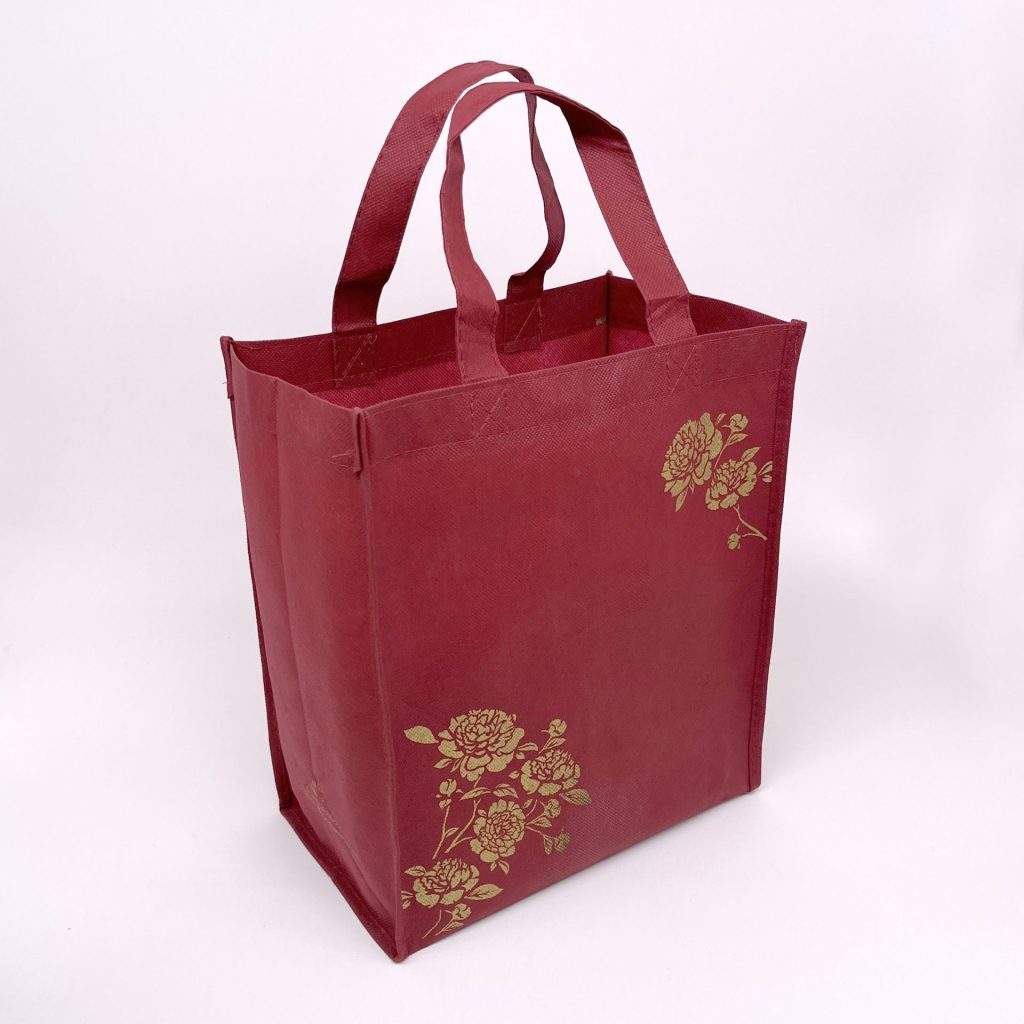
Non-woven bag vs paper bag comparison

Non-Woven Bags vs Paper Bags: Which One Should You Choose? Comparing Eco-Friendly Shopping Options 

Businesses today face a tough choice when picking eco-friendly bags. Non-woven and paper bags are two popular options, each with unique features. Both can replace plastic bags and help cut waste. 

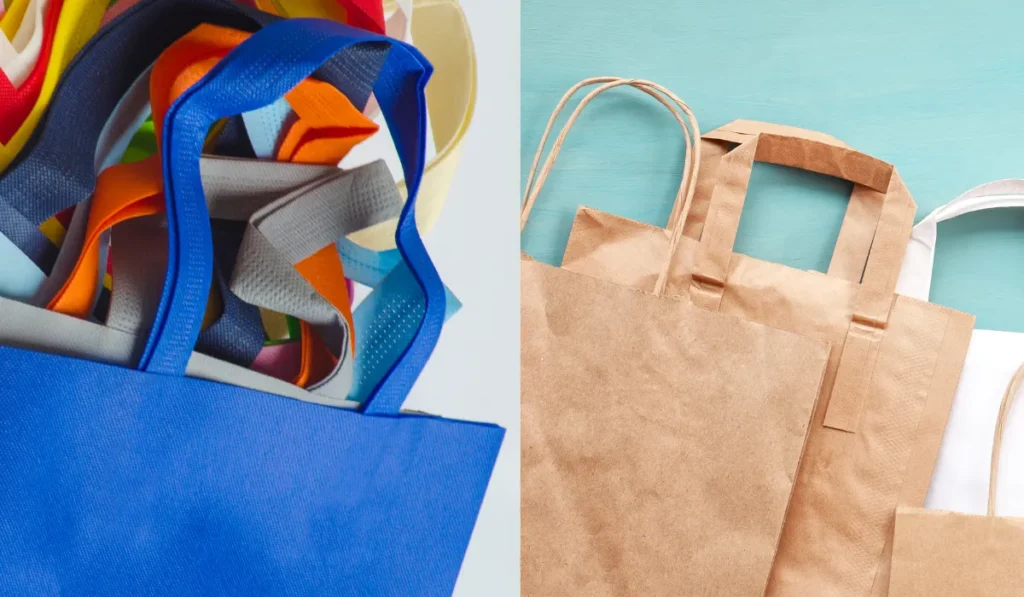
The best choice between non-woven and paper bags depends on your specific business needs, budget, and brand image. Non-woven bags are more durable and reusable, while paper bags offer a more natural look. Your decision should weigh factors like cost, strength, and how customers view each type. 

This guide will compare non-woven and paper bags to help you pick the right one. We’ll look at their eco-friendliness, use, cost, and how shoppers see them.  

Key Takeaways 

  • Non-woven bags are stronger and can be used many times, while paper bags have a more natural look 
  • The choice between bag types should consider factors like cost, durability, and brand image 
  • Both non-woven and paper bags are better for the environment than plastic bags 

What Are Non-Woven Bags and Paper Bags? 

Non-woven bags and paper bags are two popular alternatives to plastic bags. They have different materials, properties, and uses across industries. Let’s explore what makes each type of bag unique. 

Definition of Non-Woven Bags 

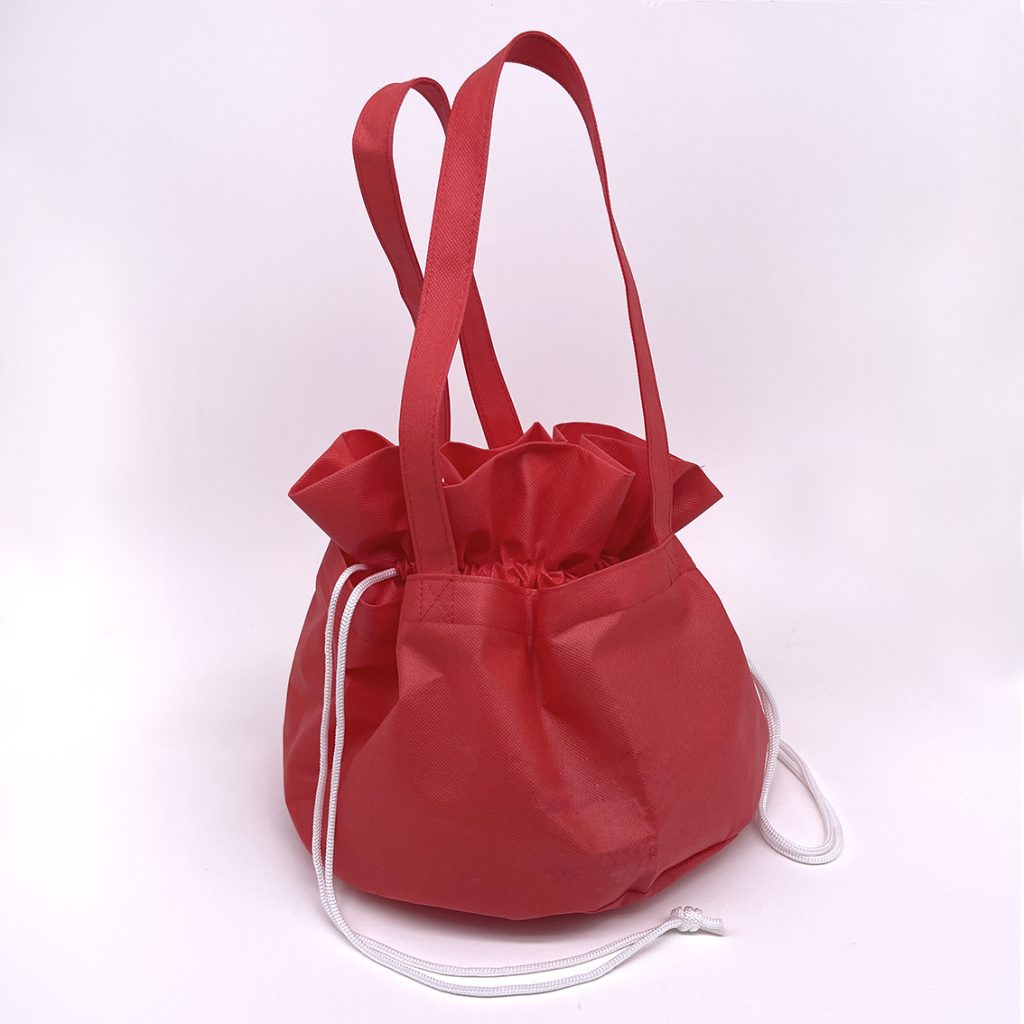
Non-woven bags are made from synthetic fibres bonded together through heat and pressure. The most common material used is polypropylene. These bags don’t involve weaving or knitting in their production. 

The manufacturing process creates a durable, flexible fabric. It’s stronger than paper but lighter than traditional woven fabrics.  

Non-woven bags come in various sizes, colours, and designs. 

They’re often called ‘reusable shopping bags’ due to their strength and longevity. Many people use them as eco-friendly alternatives to plastic carrier bags. 

Definition of Paper Bags 

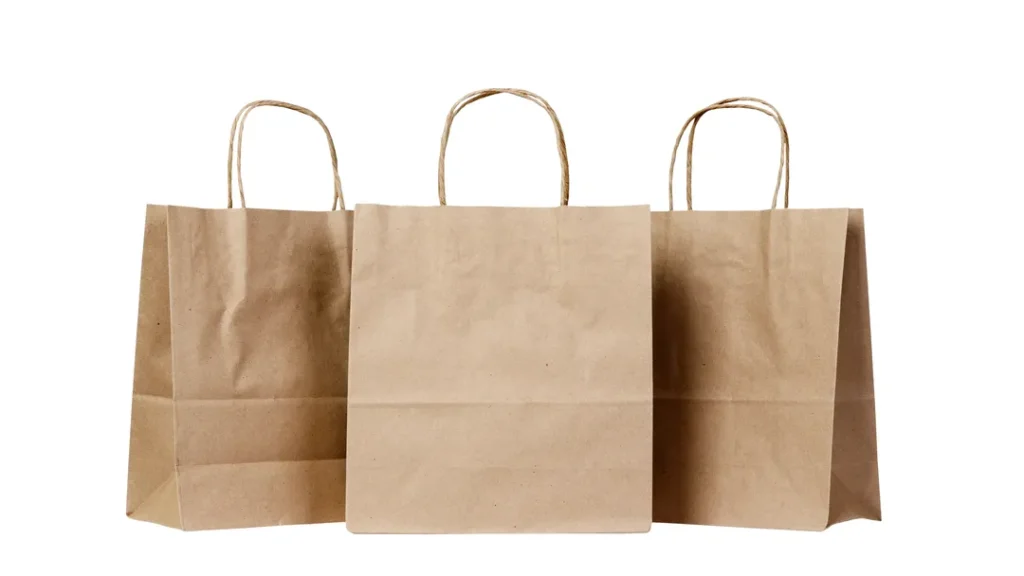
Paper bags are containers made from paper, typically kraft paper. This sturdy brown paper is produced from wood pulp. The manufacturing process involves cutting, folding, and gluing paper sheets. 

Paper bags come in different sizes and shapes. Some have handles, while others are simple sacks. They’re biodegradable and often recyclable, making them a popular eco-friendly choice. 

Many shops and supermarkets offer paper bags as an alternative to plastic. They’re also used in bakeries, gift shops, and for packaging takeaway food. 

Key Features & Characteristics 

Non-Woven Bags: 

  • Durable and tear-resistant 
  • Water-resistant (but not waterproof) 
  • Lightweight yet strong 
  • Can be printed with high-quality graphics 
  • Reusable multiple times 

Paper Bags: 

  • Biodegradable and easily recyclable 
  • Less durable than non-woven bags 
  • Can be made from recycled materials 
  • Suitable for dry goods 
  • Often cheaper to produce 

Both types can be customised with branding or designs. Non-woven bags typically last longer, while paper bags are more environmentally friendly in the short term. 

Common Uses in Different Industries 

Non-Woven Bags: 

  • Retail: Shopping bags, promotional totes 
  • Healthcare: Disposable gowns, face masks 
  • Agriculture: Crop covers, weed barriers 
  • Hospitality: Laundry bags, shoe bags 

Paper Bags: 

  • Food Service: Takeaway bags, bakery packaging 
  • Retail: Gift bags, clothing packaging 
  • Grocery: Fruit and vegetable bags 
  • Manufacturing: Cement and chemical packaging 

Both bag types have found niches in various sectors. Their different properties make them suitable for specific uses across industries. 

paper bags

Key Differences Between Non-Woven Bags and Paper Bags 

Non-woven and paper bags have distinct characteristics that set them apart. These differences impact their performance, environmental footprint, cost, and branding potential. 

Durability & Strength 

Non-woven bags are remarkably sturdy and long-lasting. They can hold heavy items without tearing and maintain their shape even after multiple uses. These bags are water-resistant, making them suitable for various weather conditions. 

Paper bags, while capable of holding moderate weights, are less durable. They can tear easily when wet or overloaded.  

Non-woven bags can be reused many times, reducing the need for frequent replacements. Paper bags, on the other hand, are typically single-use or have limited reusability. 

Sustainability & Environmental Impact 

Both non-woven and paper bags are more eco-friendly options compared to single-use plastic bags.  

Non-woven bags are often made from recycled materials and can be recycled at the end of their life cycle. 

Paper bags are biodegradable and can be easily recycled. They decompose faster than non-woven bags. However, their production is resource-intensive and can contribute to deforestation if not sourced responsibly. 

Non-woven bags have a lower environmental impact due to their reusability. They reduce the need for frequent replacements, thereby decreasing overall waste production. 

Cost & Affordability 

Non-woven bags are generally more cost-effective in the long run. Their durability means they don’t need frequent replacement, saving money over time.  

The initial cost may be higher than paper bags, but their reusability offsets this. 

Paper bags are often cheaper initially, but their single-use nature means more frequent purchases. This can lead to higher costs over time, especially for businesses that provide bags to customers regularly. 

Customisation & Branding Potential 

Both non-woven and paper bags offer excellent customisation options.  

Non-woven bags provide a smooth surface for printing high-quality graphics and logos. They retain their appearance well, even after multiple uses. 

Paper bags offer a natural, elegant look that some brands prefer. They can be easily printed on and are suitable for various printing techniques. However, the print quality may degrade faster than on non-woven bags. 

Non-woven bags serve as long-lasting mobile advertisements due to their durability. Paper bags, while shorter-lived, can create a premium, eco-conscious brand image. 

Advantages and Disadvantages of Each Bag Type 

Non-woven and paper bags have distinct advantages and drawbacks. The choice between them depends on specific needs and priorities. 

Advantages & Disadvantages of Non-Woven Bags 

Non-woven bags are strong and durable. They can hold heavy items without tearing. These bags are reusable, making them a good choice for eco-friendly shoppers. 

Non-woven bags are easy to clean. A quick wipe with a damp cloth is often enough to keep them fresh.  

They come in many colours and styles, allowing for creative designs. 

On the downside, non-woven bags don’t decompose quickly. While better than plastic, they’re not fully biodegradable. Some types may shed microfibres when washed. 

Non-woven bags can be more expensive upfront than paper bags. But their reusability often makes them cost-effective in the long run. 

Advantages & Disadvantages of Paper Bags 

Paper bags are biodegradable and eco-friendly. They break down naturally, reducing environmental impact. Many paper bags are made from recycled materials, further boosting their green credentials. 

Paper bags have a natural, elegant look. They’re often chosen for high-end retail and gift packaging. They’re also easy to recycle in most areas. 

The main drawback of paper bags is their lack of durability. They can tear easily, especially when wet.  

Paper bags are typically single-use. While they can be reused, they’re not as sturdy as non-woven options. They also require more energy to produce than some alternatives. 

How to Choose the Right Bag for Your Business 

Selecting the ideal bag for your business involves weighing several key factors. Your choice will depend on your specific needs, target audience, and overall brand image. 

If Durability and Reusability Matter 

Non-woven bags are sturdy and long-lasting, making them ideal for businesses that want to provide customers with a product they can use repeatedly. 

Non-woven bags can withstand heavy loads and frequent use. This makes them perfect for retail stores, supermarkets, and promotional events where customers need to carry multiple items. 

Their reusability also aligns with growing consumer preferences for sustainable options. By choosing non-woven bags, businesses can demonstrate their commitment to reducing waste and promoting eco-friendly practices. 

If Cost and Budget Are Key Considerations 

Cost-effectiveness is crucial for many businesses.  

Initially, paper bags may seem cheaper, but it’s essential to consider long-term costs. 

Non-woven bags, despite higher upfront costs, can be more economical in the long run due to their durability.  

Customers can reuse them multiple times, reducing the need for frequent reordering. 

Paper bags, while cheaper per unit, may need to be replaced more often. This can lead to higher costs over time, especially for high-volume businesses. 

If Branding and Aesthetics Are Important 

Both non-woven and paper bags offer excellent branding opportunities, but they cater to different aesthetics. 

Paper bags provide a more elegant, natural look. They’re ideal for businesses aiming for a sophisticated, eco-conscious image. 

Paper bags can be easily customised with high-quality prints and embossing. 

Non-woven bags offer a modern, practical appearance. They come in a wide range of colours and can feature bold, vibrant designs. 

This makes them great for promotional bags and eye-catching retail packaging. 

Consider your brand identity and target audience preferences. Luxury brands might lean towards paper, while trendy, youthful brands could benefit from non-woven options. 

Why Choose I Dzzign Packaging for Your Bag Needs? 

I Dzzign Packaging offers top-quality non-woven and paper bags with extensive customisation options. We provide bulk order solutions, fast production times, and personalised service to meet your packaging needs. 

Customisation Options for Non-Woven & Paper Bags 

I Dzzign Packaging excels in customising bags to match your brand identity. We offer a wide range of colours, sizes, and styles for both non-woven and paper bags. 

Printing options include: 

  • Full-colour digital printing 
  • Screen printing 
  • Hot stamping 
  • Embossing 

Customers can add unique features like handles, gussets, and closures. I Dzzign’s design team works closely with clients to create eye-catching graphics and logos that stand out. 

Bulk Order Solutions & Fast Production Times 

I Dzzign Packaging specialises in handling large-scale orders efficiently. Our state-of-the-art production facilities can produce thousands of bags daily. 

Key benefits include: 

  • Competitive pricing for bulk orders 
  • Quick turnaround times 
  • Consistent quality across large batches 
  • Flexible production schedules 

I Dzzign’s streamlined processes ensure timely delivery without compromising on quality. We use advanced machinery and skilled workers to maintain high standards. 

Ready to elevate your packaging? Contact I Dzzign Packaging today for tailored solutions. Their expert team is on hand to discuss your specific requirements. 

Frequently Asked Questions 

Non-woven and paper bags each have unique characteristics that affect their environmental impact and suitability for different uses. Let’s explore some common questions about these bag options. 

Are non-woven bags environmentally friendly compared to other alternatives? 

Non-woven bags are more eco-friendly than plastic bags. They can be reused many times, reducing waste. Non-woven bags are also recyclable in some areas. 

These bags require less energy to produce than cotton bags. However, they are not biodegradable like paper bags. 

What are the key differences between non-woven and paper bags in terms of sustainability? 

Non-woven bags are reusable, while paper bags are typically single-use. This means one non-woven bag can replace many paper bags over time. 

Paper bags are biodegradable and made from renewable resources. Non-woven bags are often made from recycled materials but take longer to break down. 

How do non-woven bags impact the environment compared to paper bags? 

Non-woven bags have a lower initial environmental impact due to their production process. They use less water and energy to manufacture than paper bags. 

Paper bags have a higher upfront environmental cost but decompose faster. Non-woven bags last longer, potentially offsetting their slower decomposition rate. 

What are the advantages and disadvantages of using non-woven bags over paper bags? 

Non-woven bags are stronger and more durable than paper bags. They can carry heavier items and withstand moisture better. 

Paper bags offer a more natural look and feel. They’re better for businesses aiming for an eco-friendly image. 

Non-woven bags are often cheaper in the long run due to their reusability. Paper bags may cost more per use but are often preferred for single-use scenarios. 

Can non-woven bags be recycled or composted like paper bags? 

Non-woven bags can be recycled in some areas, but the process is more complex than paper recycling. They cannot be composted like paper bags. 

Paper bags are widely recyclable and compostable. They break down naturally in compost bins or landfills. 

What factors should be considered when deciding between non-woven bags and paper bags for shopping? 

Consider the intended use. For frequent shopping trips, non-woven bags are more durable and cost-effective. 

Think about the store’s image. Paper bags may be better for upscale or eco-conscious brands. 

Evaluate local recycling options. Choose the bag type that’s easier to recycle in your area. 

Consider customer preferences. Some shoppers prefer the feel of paper, while others value the strength of non-woven bags.