

Table of Contents
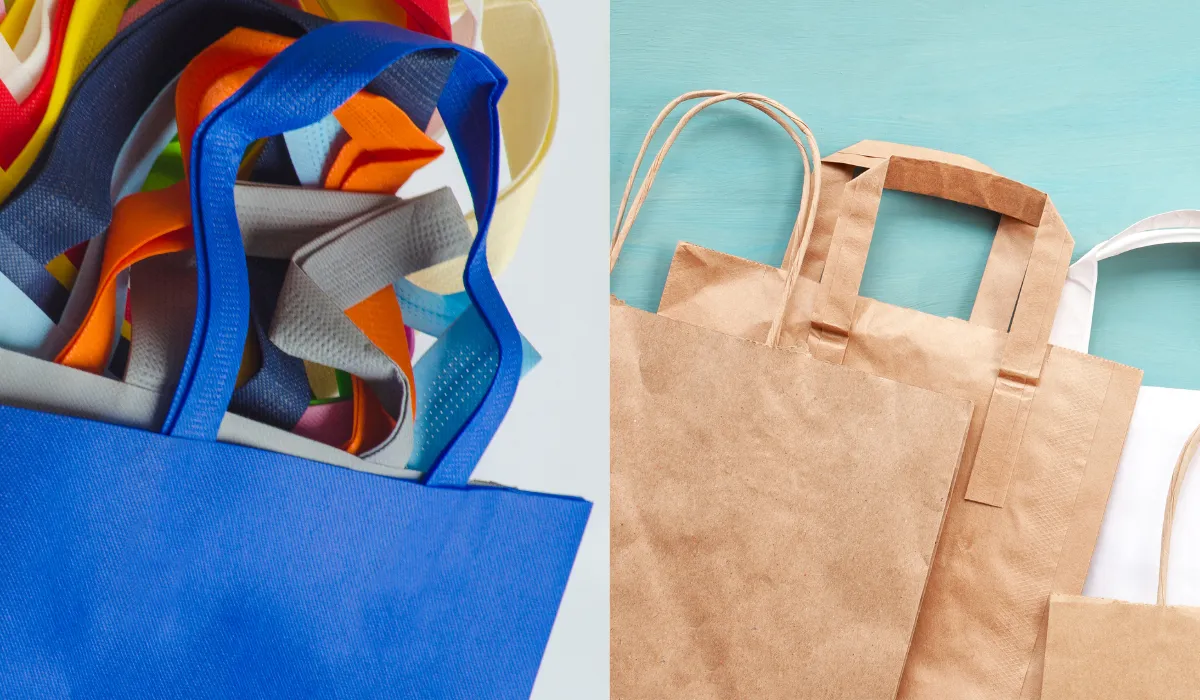
Businesses today face a tough choice when picking eco-friendly bags. Non-woven and paper bags are two popular options, each with unique features. Both can replace plastic bags and help cut waste.
The best choice between non-woven and paper bags depends on your specific business needs, budget, and brand image. Non-woven bags are more durable and reusable, while paper bags offer a more natural look. Your decision should weigh factors like cost, strength, and how customers view each type.
This guide will compare non-woven and paper bags to help you pick the right one. We’ll look at their eco-friendliness, use, cost, and how shoppers see them.
Key Takeaways
- Non-woven bags are stronger and can be used many times, while paper bags have a more natural look
- The choice between bag types should consider factors like cost, durability, and brand image
- Both non-woven and paper bags are better for the environment than plastic bags
What Are Non-Woven Bags and Paper Bags?
Non-woven bags and paper bags are two popular alternatives to plastic bags. They have different materials, properties, and uses across industries. Let’s explore what makes each type of bag unique.
Definition of Non-Woven Bags
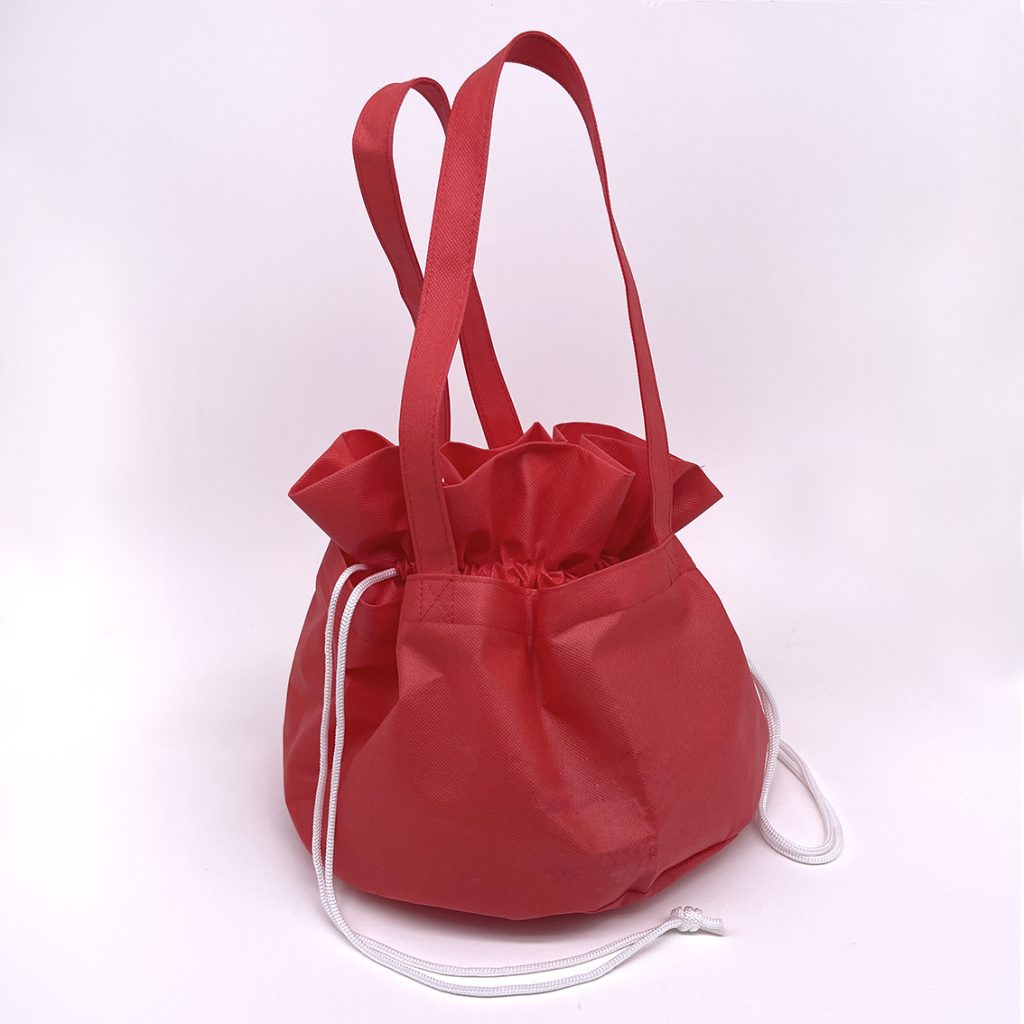
Non-woven bags are made from synthetic fibres bonded together through heat and pressure. The most common material used is polypropylene. These bags don’t involve weaving or knitting in their production.
The manufacturing process creates a durable, flexible fabric. It’s stronger than paper but lighter than traditional woven fabrics.
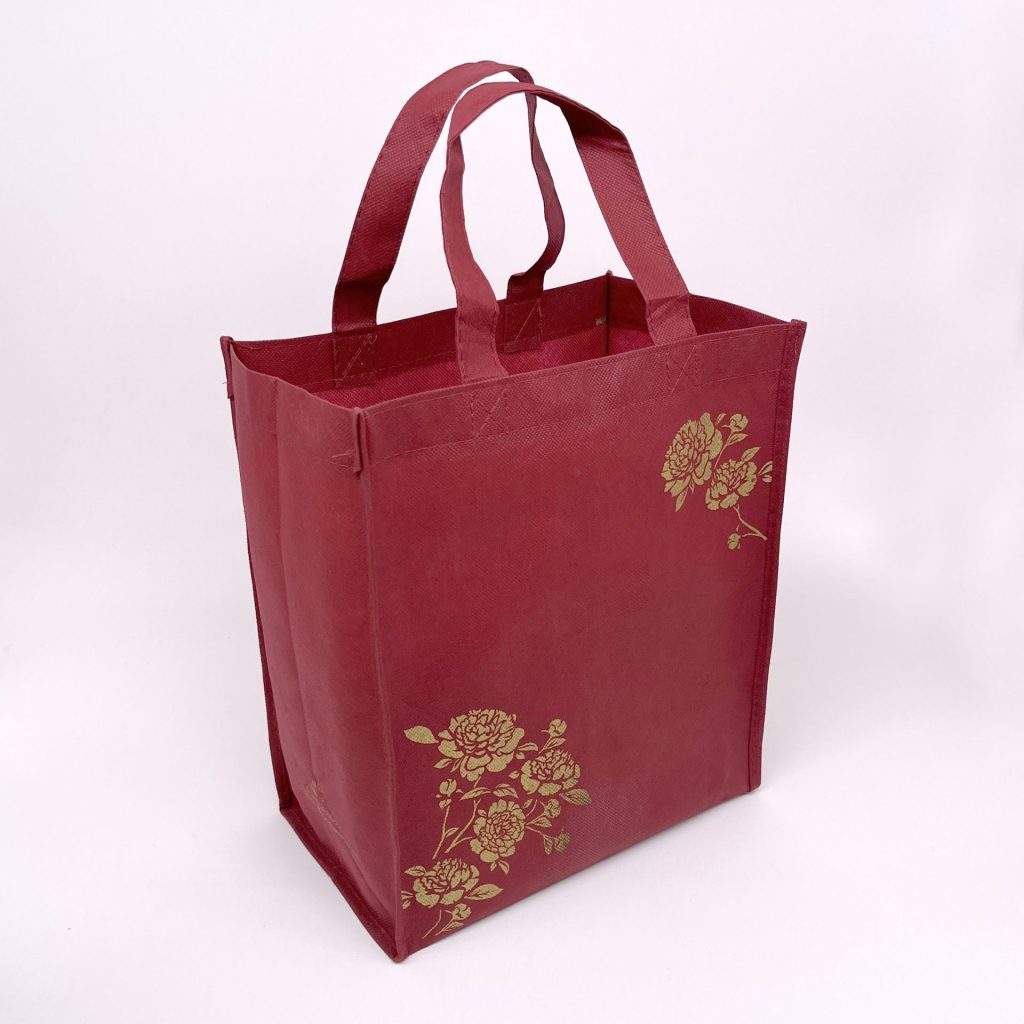
Non-woven bags come in various sizes, colours, and designs.
They’re often called ‘reusable shopping bags’ due to their strength and longevity. Many people use them as eco-friendly alternatives to plastic carrier bags.
Definition of Paper Bags
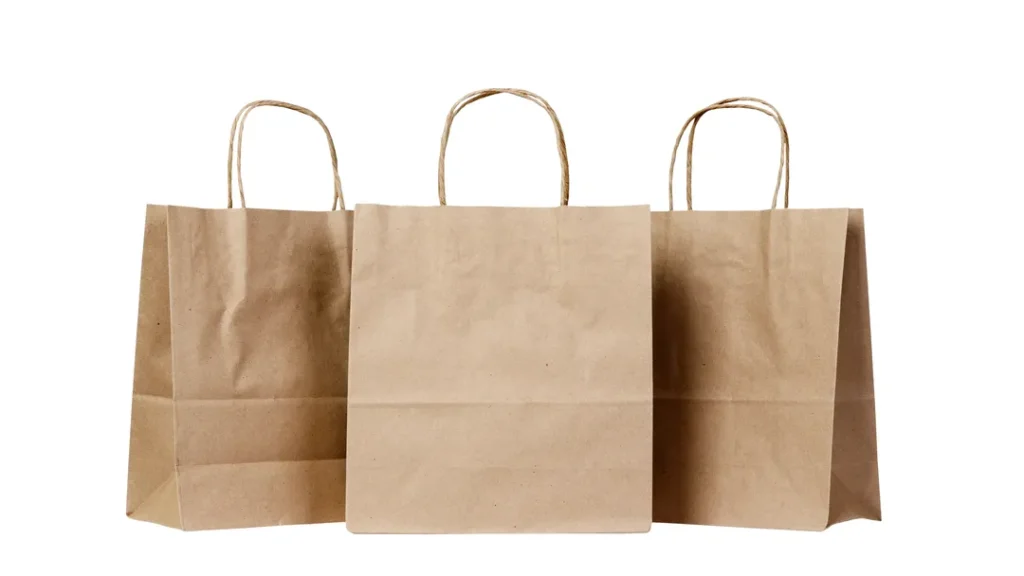
Paper bags are containers made from paper, typically kraft paper. This sturdy brown paper is produced from wood pulp. The manufacturing process involves cutting, folding, and gluing paper sheets.
Paper bags come in different sizes and shapes. Some have handles, while others are simple sacks. They’re biodegradable and often recyclable, making them a popular eco-friendly choice.
Many shops and supermarkets offer paper bags as an alternative to plastic. They’re also used in bakeries, gift shops, and for packaging takeaway food.
Key Features & Characteristics
Non-Woven Bags:
- Durable and tear-resistant
- Water-resistant (but not waterproof)
- Lightweight yet strong
- Can be printed with high-quality graphics
- Reusable multiple times
Paper Bags:
- Biodegradable and easily recyclable
- Less durable than non-woven bags
- Can be made from recycled materials
- Suitable for dry goods
- Often cheaper to produce
Both types can be customised with branding or designs. Non-woven bags typically last longer, while paper bags are more environmentally friendly in the short term.
Common Uses in Different Industries
Non-Woven Bags:
- Retail: Shopping bags, promotional totes
- Healthcare: Disposable gowns, face masks
- Agriculture: Crop covers, weed barriers
- Hospitality: Laundry bags, shoe bags
Paper Bags:
- Food Service: Takeaway bags, bakery packaging
- Retail: Gift bags, clothing packaging
- Grocery: Fruit and vegetable bags
- Manufacturing: Cement and chemical packaging
Both bag types have found niches in various sectors. Their different properties make them suitable for specific uses across industries.
Key Differences Between Non-Woven Bags and Paper Bags
Non-woven and paper bags have distinct characteristics that set them apart. These differences impact their performance, environmental footprint, cost, and branding potential.
Durability & Strength
Non-woven bags are remarkably sturdy and long-lasting. They can hold heavy items without tearing and maintain their shape even after multiple uses. These bags are water-resistant, making them suitable for various weather conditions.
Paper bags, while capable of holding moderate weights, are less durable. They can tear easily when wet or overloaded.
Non-woven bags can be reused many times, reducing the need for frequent replacements. Paper bags, on the other hand, are typically single-use or have limited reusability.
Sustainability & Environmental Impact
Both non-woven and paper bags are more eco-friendly options compared to single-use plastic bags.
Non-woven bags are often made from recycled materials and can be recycled at the end of their life cycle.
Paper bags are biodegradable and can be easily recycled. They decompose faster than non-woven bags. However, their production is resource-intensive and can contribute to deforestation if not sourced responsibly.
Non-woven bags have a lower environmental impact due to their reusability. They reduce the need for frequent replacements, thereby decreasing overall waste production.
Cost & Affordability
Non-woven bags are generally more cost-effective in the long run. Their durability means they don’t need frequent replacement, saving money over time.
The initial cost may be higher than paper bags, but their reusability offsets this.
Paper bags are often cheaper initially, but their single-use nature means more frequent purchases. This can lead to higher costs over time, especially for businesses that provide bags to customers regularly.
Customisation & Branding Potential
Both non-woven and paper bags offer excellent customisation options.
Non-woven bags provide a smooth surface for printing high-quality graphics and logos. They retain their appearance well, even after multiple uses.
Paper bags offer a natural, elegant look that some brands prefer. They can be easily printed on and are suitable for various printing techniques. However, the print quality may degrade faster than on non-woven bags.
Non-woven bags serve as long-lasting mobile advertisements due to their durability. Paper bags, while shorter-lived, can create a premium, eco-conscious brand image.
Advantages and Disadvantages of Each Bag Type
Non-woven and paper bags have distinct advantages and drawbacks. The choice between them depends on specific needs and priorities.
Advantages & Disadvantages of Non-Woven Bags
Non-woven bags are strong and durable. They can hold heavy items without tearing. These bags are reusable, making them a good choice for eco-friendly shoppers.
Non-woven bags are easy to clean. A quick wipe with a damp cloth is often enough to keep them fresh.
They come in many colours and styles, allowing for creative designs.
On the downside, non-woven bags don’t decompose quickly. While better than plastic, they’re not fully biodegradable. Some types may shed microfibres when washed.
Non-woven bags can be more expensive upfront than paper bags. But their reusability often makes them cost-effective in the long run.
Advantages & Disadvantages of Paper Bags
Paper bags are biodegradable and eco-friendly. They break down naturally, reducing environmental impact. Many paper bags are made from recycled materials, further boosting their green credentials.
Paper bags have a natural, elegant look. They’re often chosen for high-end retail and gift packaging. They’re also easy to recycle in most areas.
The main drawback of paper bags is their lack of durability. They can tear easily, especially when wet.
Paper bags are typically single-use. While they can be reused, they’re not as sturdy as non-woven options. They also require more energy to produce than some alternatives.
How to Choose the Right Bag for Your Business
Selecting the ideal bag for your business involves weighing several key factors. Your choice will depend on your specific needs, target audience, and overall brand image.
If Durability and Reusability Matter
Non-woven bags are sturdy and long-lasting, making them ideal for businesses that want to provide customers with a product they can use repeatedly.
Non-woven bags can withstand heavy loads and frequent use. This makes them perfect for retail stores, supermarkets, and promotional events where customers need to carry multiple items.
Their reusability also aligns with growing consumer preferences for sustainable options. By choosing non-woven bags, businesses can demonstrate their commitment to reducing waste and promoting eco-friendly practices.
If Cost and Budget Are Key Considerations
Cost-effectiveness is crucial for many businesses.
Initially, paper bags may seem cheaper, but it’s essential to consider long-term costs.
Non-woven bags, despite higher upfront costs, can be more economical in the long run due to their durability.
Customers can reuse them multiple times, reducing the need for frequent reordering.
Paper bags, while cheaper per unit, may need to be replaced more often. This can lead to higher costs over time, especially for high-volume businesses.
If Branding and Aesthetics Are Important
Both non-woven and paper bags offer excellent branding opportunities, but they cater to different aesthetics.
Paper bags provide a more elegant, natural look. They’re ideal for businesses aiming for a sophisticated, eco-conscious image.
Paper bags can be easily customised with high-quality prints and embossing.
Non-woven bags offer a modern, practical appearance. They come in a wide range of colours and can feature bold, vibrant designs.
This makes them great for promotional bags and eye-catching retail packaging.
Consider your brand identity and target audience preferences. Luxury brands might lean towards paper, while trendy, youthful brands could benefit from non-woven options.
Why Choose I Dzzign Packaging for Your Bag Needs?
I Dzzign Packaging offers top-quality non-woven and paper bags with extensive customisation options. We provide bulk order solutions, fast production times, and personalised service to meet your packaging needs.
Customisation Options for Non-Woven & Paper Bags
I Dzzign Packaging excels in customising bags to match your brand identity. We offer a wide range of colours, sizes, and styles for both non-woven and paper bags.
Printing options include:
- Full-colour digital printing
- Screen printing
- Hot stamping
- Embossing
Customers can add unique features like handles, gussets, and closures. I Dzzign’s design team works closely with clients to create eye-catching graphics and logos that stand out.
Bulk Order Solutions & Fast Production Times
I Dzzign Packaging specialises in handling large-scale orders efficiently. Our state-of-the-art production facilities can produce thousands of bags daily.
Key benefits include:
- Competitive pricing for bulk orders
- Quick turnaround times
- Consistent quality across large batches
- Flexible production schedules
I Dzzign’s streamlined processes ensure timely delivery without compromising on quality. We use advanced machinery and skilled workers to maintain high standards.
Ready to elevate your packaging? Contact I Dzzign Packaging today for tailored solutions. Their expert team is on hand to discuss your specific requirements.
Frequently Asked Questions
Non-woven and paper bags each have unique characteristics that affect their environmental impact and suitability for different uses. Let’s explore some common questions about these bag options.
Are non-woven bags environmentally friendly compared to other alternatives?
Non-woven bags are more eco-friendly than plastic bags. They can be reused many times, reducing waste. Non-woven bags are also recyclable in some areas.
These bags require less energy to produce than cotton bags. However, they are not biodegradable like paper bags.
What are the key differences between non-woven and paper bags in terms of sustainability?
Non-woven bags are reusable, while paper bags are typically single-use. This means one non-woven bag can replace many paper bags over time.
Paper bags are biodegradable and made from renewable resources. Non-woven bags are often made from recycled materials but take longer to break down.
How do non-woven bags impact the environment compared to paper bags?
Non-woven bags have a lower initial environmental impact due to their production process. They use less water and energy to manufacture than paper bags.
Paper bags have a higher upfront environmental cost but decompose faster. Non-woven bags last longer, potentially offsetting their slower decomposition rate.
What are the advantages and disadvantages of using non-woven bags over paper bags?
Non-woven bags are stronger and more durable than paper bags. They can carry heavier items and withstand moisture better.
Paper bags offer a more natural look and feel. They’re better for businesses aiming for an eco-friendly image.
Non-woven bags are often cheaper in the long run due to their reusability. Paper bags may cost more per use but are often preferred for single-use scenarios.
Can non-woven bags be recycled or composted like paper bags?
Non-woven bags can be recycled in some areas, but the process is more complex than paper recycling. They cannot be composted like paper bags.
Paper bags are widely recyclable and compostable. They break down naturally in compost bins or landfills.
What factors should be considered when deciding between non-woven bags and paper bags for shopping?
Consider the intended use. For frequent shopping trips, non-woven bags are more durable and cost-effective.
Think about the store’s image. Paper bags may be better for upscale or eco-conscious brands.
Evaluate local recycling options. Choose the bag type that’s easier to recycle in your area.
Consider customer preferences. Some shoppers prefer the feel of paper, while others value the strength of non-woven bags.